It's called Gas Station Heroin.

Here's why: Kratom converts in the body to an opioid that binds to the same receptors as heroin and is… 13 times MME more potent than morphine
See the FDA's StatementWhat the Experts Say:
Is Kratom Safe?

Kratom use is associated with medical toxicity and death.

Don't start kratom. It's like starting down a road of addiction with an opioid.
The Truth About 7-OH Comes Out

Kratom is now a multi-billion dollar industry with its own lobby.
They make it sound like a caffeine pill. Or a cup of green tea.
5,208 kratom-involved overdose deaths, – to .
That count excludes California, Texas, and Florida. Data reported by the CDC.
| Measure |  Ephedra Ephedra |  Kratom Kratom |
|---|---|---|
| Regulatory status | Banned in 2004 | Still on the shelf |
| Deaths | 155 deaths | 5,208+ deaths |

[Kratom] is very similar to opioids like fentanyl, like morphine. Over the last 15 years, we've really noticed about a 200% increase in overdose deaths.
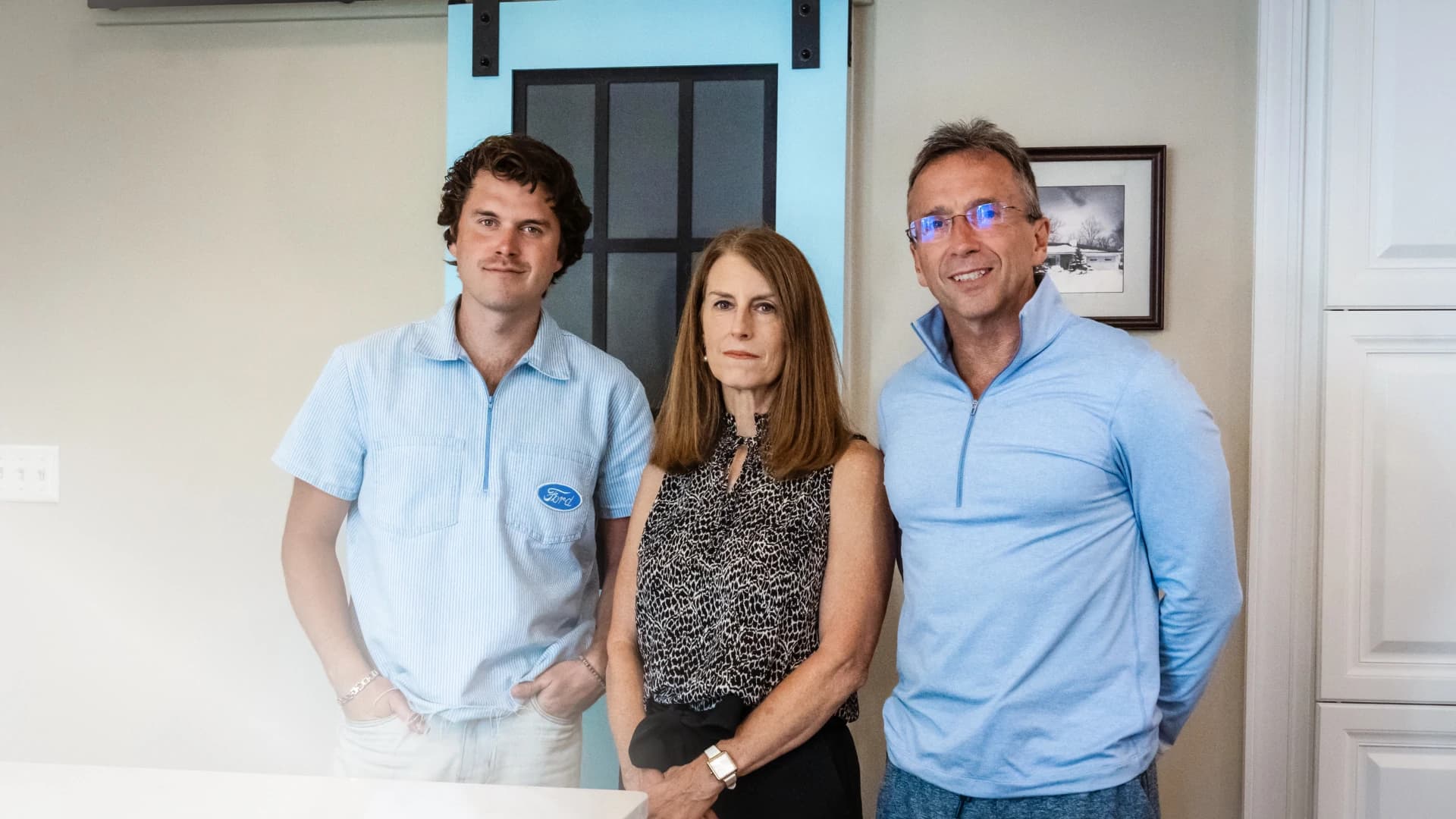
We're the mothers, fathers, and friends of people whose lives were torn apart by kratom.
End Kratom Addiction is a national nonprofit built by families who were lied to. And refused to stay quiet.
See More StoriesKratom is now banned in 12 states.
And in 265+ counties and towns.
Prohibited across the U.S. military
It's time to tell your representative kratom needs real regulation, not another decade of delay.
Contact your representativeQuotes from Experts

Don't start kratom. It's like starting down a road of addiction with an opioid. It may seem like some herbal supplement, but there's much more underlying sinister effects with it.

As kratom's popularity continues to grow, so does the number of individuals struggling with dependence. At The Coleman Institute, approximately 75% of our patient intakes were linked to kratom addiction as of 2025.

The claim that kratom has no potential abuse and can do no harm is ludicrous. Until we truly understand how kratom interacts with other medications, promoting it as a safe herbal supplement puts lives at risk.

More than half of the patients presented to me for detox do so because of kratom derivatives. It is distressing to watch these readily available substances—marketed as herbal dietary supplements—cause such profound harm in our community.

I work alongside hundreds of addiction treatment professionals in Virginia, who all attest to a growing crisis tied to kratom addiction. Many clinicians report that kratom withdrawal and recovery can be as severe as heroin or worse. HB360’s straightforward measure to move kratom products behind the counter will prompt consumers to pause, ask questions, and understand this substance is not harmless, helping prevent addiction and save lives.

Kratom addiction is real, and so is the pain and suffering that goes with it. Tens of thousands of people, and all their families, are facing a crisis that never should have happened. This industry chose to side-step safeguards to maximize a profit, and now attempts to blame the users. It was preventable then, and it is preventable now.

Calling something plant-based doesn't make it safe. Cocaine comes from a plant. Opium is a plant. Natural doesn't mean it's safe or non-addictive. The patients we see with kratom addiction are exactly like those that we see with fentanyl or heroin or other opioid addictions.

This is now becoming a real crisis because our building is full of people addicted to this. They just thought this was a safe or organic product that they picked up from wherever they buy their cigarettes.

The biggest misconception is that 'natural means safe.' Kratom and 7-OH are not harmless herbal supplements…People using these substances can have the same detrimental effects seen with opioids.

We want the public to be aware that these products contain chemicals of varying concentrations such as mitragynine and 7-hydroxymitragynine that have complex pharmacological actions and can cause drug interactions and adverse consequences in humans.

Traditional kratom preparations have been associated for years with tolerance, withdrawal, and compulsive use, demonstrating inherent addictive potential. Kratom marketed as 'safe' or 'non-addictive' is contributing to a growing population struggling with dependence and withdrawal.

We are seeing patients walking into my clinic who’ve used it for about two weeks, and are absolutely addicted, meaning their body is physiologically dependent. They’re spending hours and hours of their day trying to acquire the product.

Years ago, most of my patients' addiction stories began with an opioid prescription. Today, most all start with kratom—it’s fueling a rise in opioid use disorder itself.

Kratom presents like an opioid when using it. It's addictive and deadly. I see the effects everyday. People come in all strung out on it, and the damage it leaves behind in their bodies is devastating.

Policy changes regarding kratom and 7-OH products are needed in all states if we are serious about protecting our children. Five million people is more than the entire population of the six smallest states in the U.S. combined: Wyoming, Vermont, Alaska, South Dakota, North Dakota and Delaware.

…if you’re using it (kratom) for therapeutic things, it can lead to dependency and can lead to death. Everybody has different tolerance levels. Studies have shown that. So, what may be fine and therapeutic for you might actually be fatal for me.